
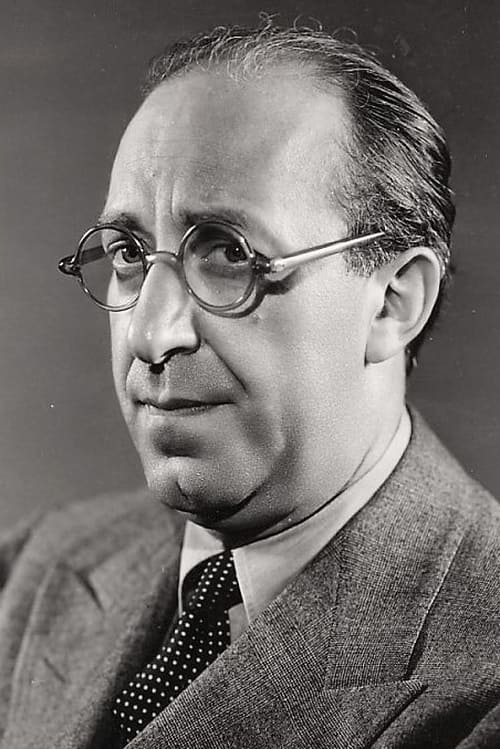
Ed Wynn
Acting
Isaiah Edwin Leopold (November 9, 1886 – June 19, 1966), better known as Ed Wynn, was an American actor and comedian noted for his Perfect Fool comedy character, his pioneering radio show of the 1930s, and his later career as a dramatic actor. Ed Wynn first appeared on television on July 7, 1936 in a brief, ad-libbed spot with Graham McNamee during an NBC experimental television broadcast. In the 1949–50 season, Ed Wynn hosted one of the first network, comedy-variety television shows, on CBS, and won both a Peabody Award and an Emmy Award in 1949. Buster Keaton, Lucille Ball, and The Three Stooges all made guest appearances with Wynn. This was the first CBS variety television show to originate from Los Angeles, which was seen live on the west coast, but filmed via kinescope for distribution in the Midwest and East, as the national coaxial cable had yet to be completed. Wynn was also a rotating host of NBC's Four Star Revue from 1950 through 1952. After the end of Wynn's third television series, The Ed Wynn Show (a short-lived situation comedy on NBC's 1958–59 schedule), his son, actor Keenan Wynn, encouraged him to make a career change rather than retire. The comedian reluctantly began a career as a dramatic actor in television and movies. Father and son appeared in three productions, the first of which was the 1956 Playhouse 90 broadcast of Rod Serling's play Requiem for a Heavyweight. Ed was terrified of straight acting and kept goofing his lines in rehearsal. When the producers wanted to fire him, star Jack Palance said he would quit if they fired Ed. (However, unbeknownst to Wynn, supporting player Ned Glass was his secret understudy in case something did happen before air time.) On live broadcast night, Wynn surprised everyone with his pitch-perfect performance, and his quick ad libs to cover his mistakes. A dramatization of what happened during the production was later staged as an April 1960 Westinghouse Desilu Playhouse episode, "The Man in the Funny Suit", starring both senior and junior Wynns, with key figures involved in the original production also portraying themselves. Ed and his son also worked together in the Jose Ferrer film The Great Man, with Ed again proving his unexpected skills in drama. Requiem established Wynn as a serious dramatic actor who could easily hold his own with the best. His role in The Diary of Anne Frank (1959) won him an Academy Award nomination for Best Supporting Actor. Also in 1959, Wynn appeared on Serling's TV series The Twilight Zone in "One for the Angels". Serling, a longtime admirer, had written that episode especially for him, and Wynn later in 1963 starred in the episode "Ninety Years Without Slumbering". For the rest of his life, Wynn skillfully moved between comic and dramatic roles. He appeared in feature films and anthology television, endearing himself to new generations of fans.
Born: November 9, 1886 · Philadelphia, Pennsylvania, USA
Filmography (45)
Boulevard! A Hollywood Story
2021

That's Entertainment, Part II
1976
The Gnome-Mobile
1967
The Daydreamer
1966
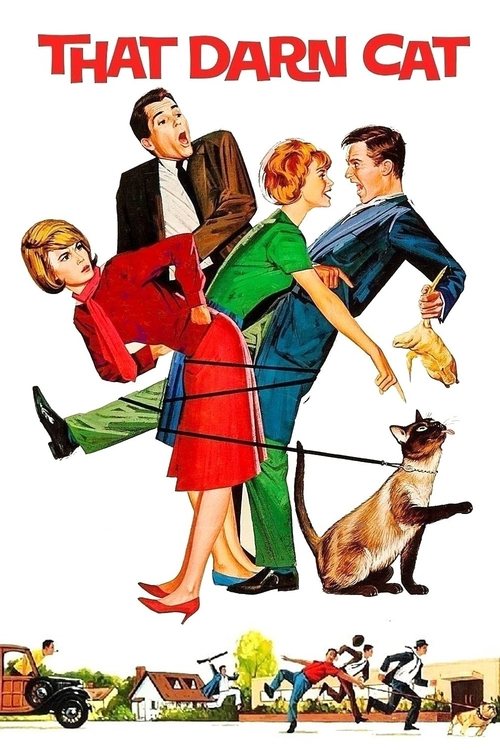
That Darn Cat!
1965

The Greatest Story Ever Told
1965

Dear Brigitte
1965

Mary Poppins
1964
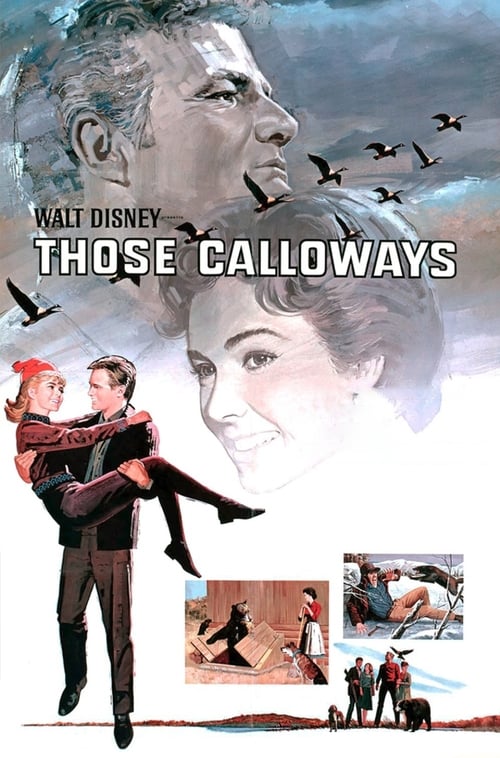
Those Calloways
1964
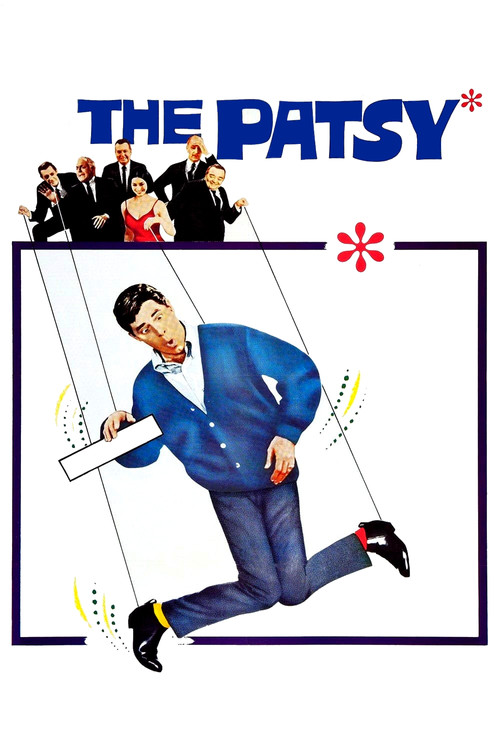
The Patsy
1964

The Hollywood Palace
1964
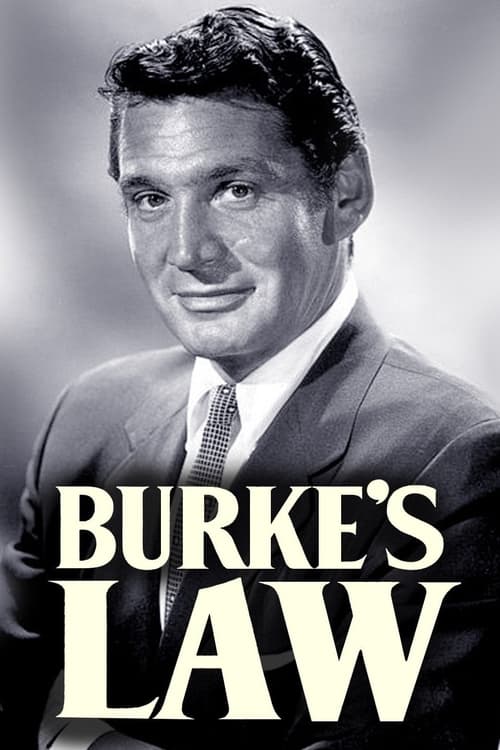
Burke's Law
1963

Son of Flubber
1963
The Tonight Show Starring Johnny Carson
1962
Babes in Toyland
1961
The Absent-Minded Professor
1961
Cinderfella
1960

Startime
1959

The Twilight Zone
1959
Bonanza
1959
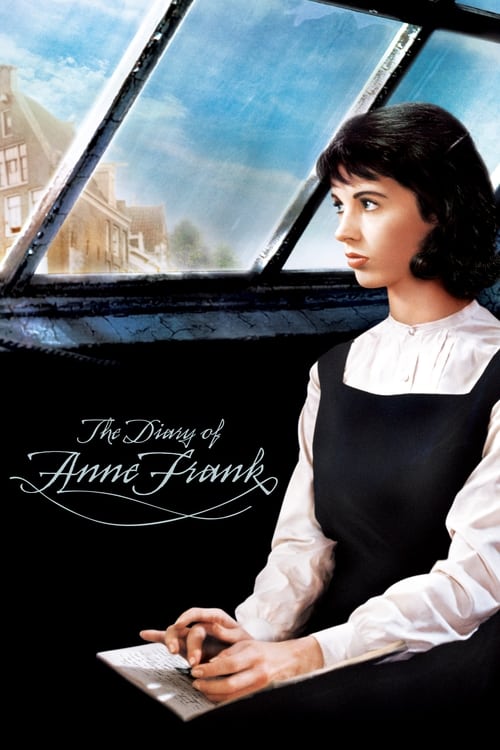
The Diary of Anne Frank
1959
Rawhide
1959
77 Sunset Strip
1958

Westinghouse Desilu Playhouse
1958
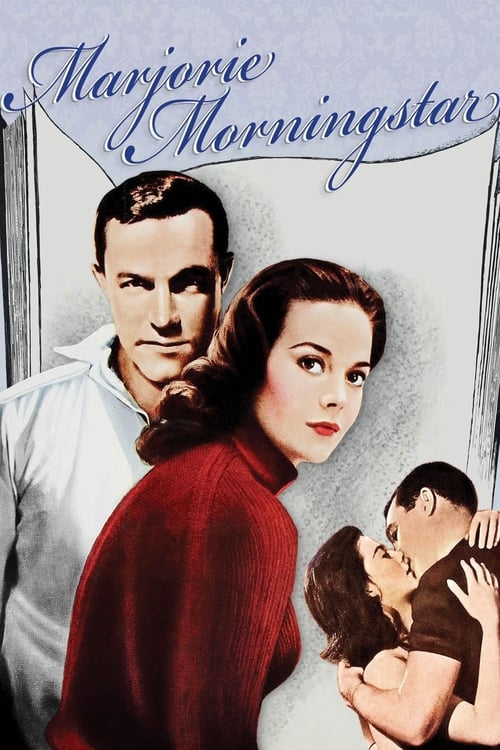
Marjorie Morningstar
1958
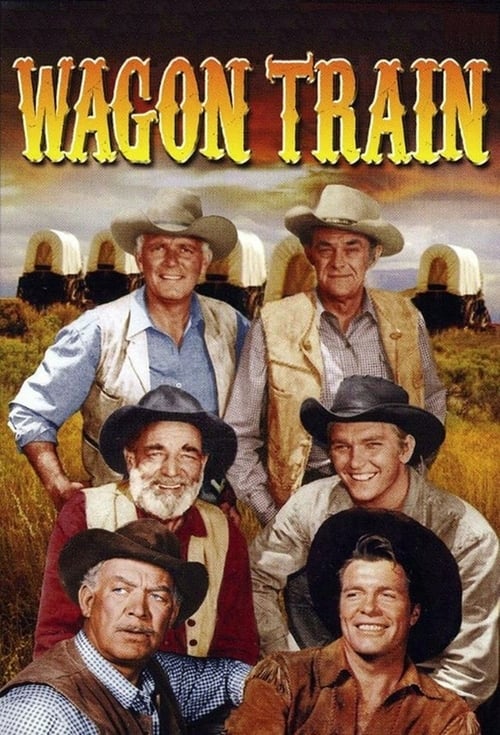
Wagon Train
1957
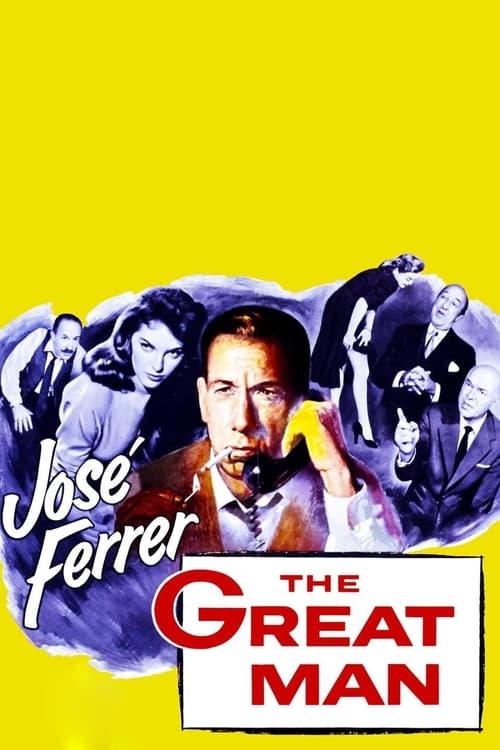
The Great Man
1956

The Dinah Shore Chevy Show
1956

Playhouse 90
1956
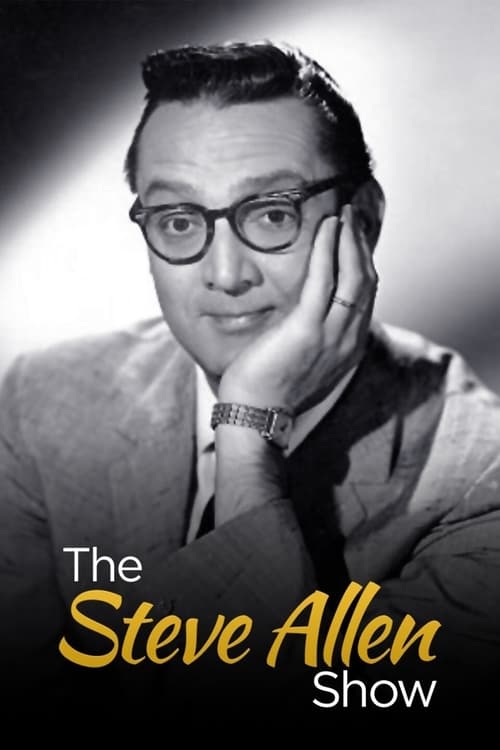
The Steve Allen Show
1956
The 20th Century Fox Hour
1955

The Wonderful World of Disney
1954

December Bride
1954
This Is Your Life
1952
Hallmark Hall of Fame
1951
The Red Skelton Show
1951
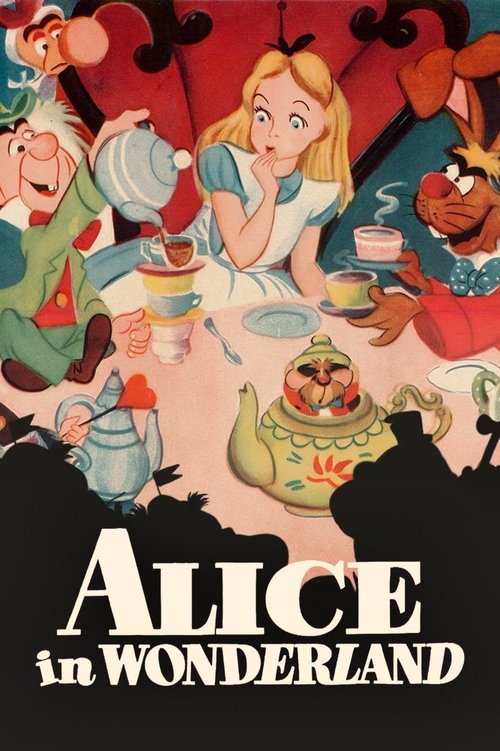
Alice in Wonderland
1951
The Colgate Comedy Hour
1950
The Bob Hope Show
1950
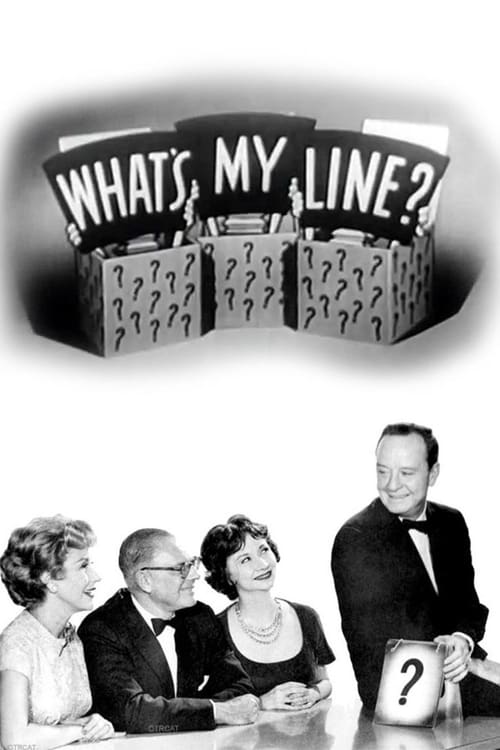
What's My Line?
1950

The Emmy Awards
1949

The Ed Sullivan Show
1948
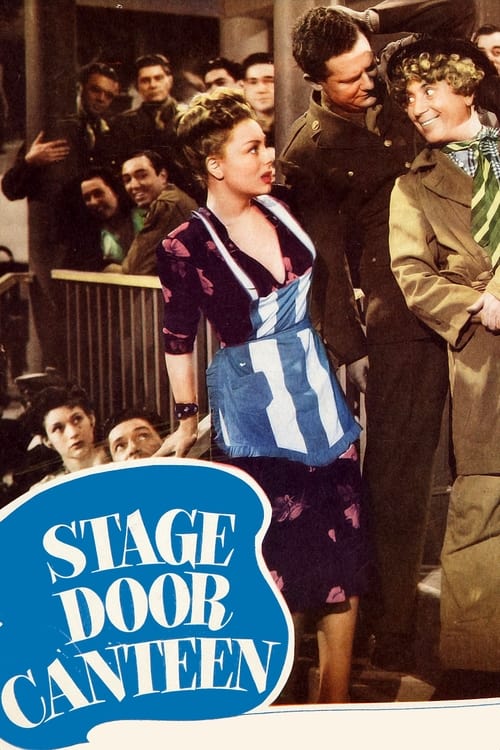
Stage Door Canteen
1943
Turn Back the Clock
1933
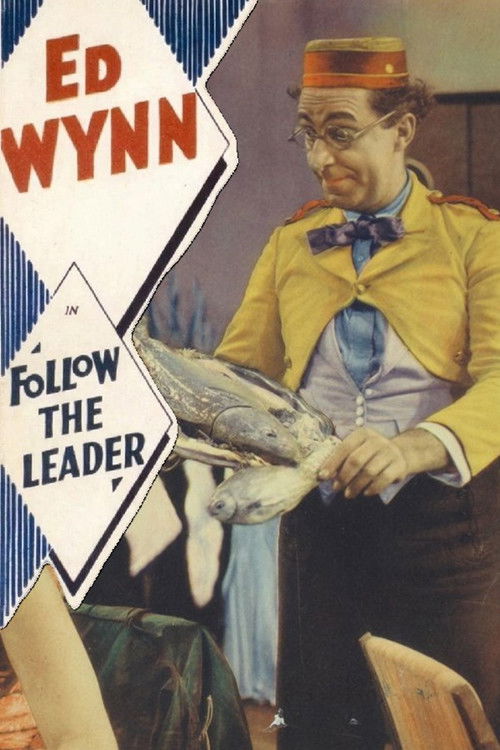
Follow the Leader
1930