
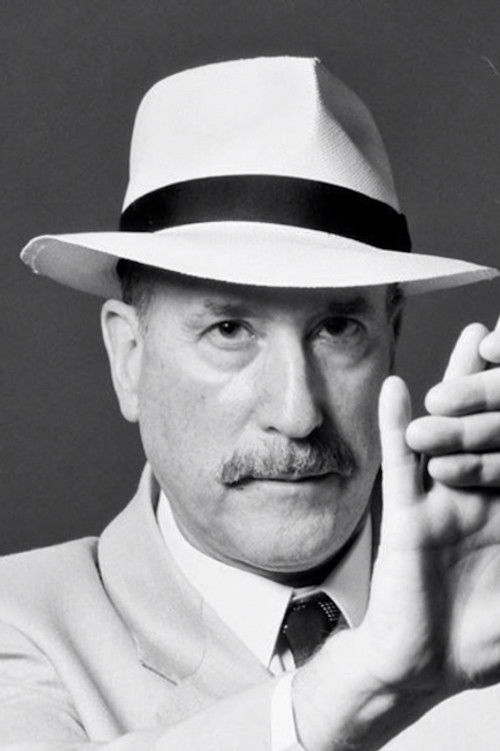
Néstor Almendros
Camera
Néstor Almendros Cuyás (30 October 1930 – 4 March 1992) was a Spanish cinematographer. One of the most highly appraised contemporary cinematographers, "Almendros was an artist of deep integrity, who believed the most beautiful light was natural light...he will always be remembered as a cinematographer of absolute truth...a true master of light". Néstor Almendros Cuyás was born in Barcelona, Spain, but at 18 moved to Cuba to join his exiled anti-Francisco Franco father. In Havana, he wrote film reviews. Then he went on to study in Rome at the Centro Sperimentale di Cinematografia. He directed six shorts in Cuba and two in New York City. After the 1959 Cuban Revolution, he returned and made several documentaries for the Castro regime. But after two of his shorts (Gente en la playa and La tumba francesa) were banned, he moved to Paris. Starting in 1964, he became the favorite collaborator of French New Wave director Éric Rohmer. In the early seventies he also started working with François Truffaut, Barbet Schroeder and other directors. Almendros began his Hollywood career with Days of Heaven (1978), written and directed by Terrence Malick, who admired Almendros' work on The Wild Child (1970). Almendros was impressed by Malick's knowledge of photography and his willingness to use little studio lighting. The film's cinematography was modeled after silent films, which often used natural light. In 1979, Almendros won the Academy Award for Best Cinematography for Days of Heaven. Almendros received three further Academy Award nominations for his work on Kramer vs. Kramer (1979), The Blue Lagoon (1980) and Sophie's Choice (1982), making him the most nominated Spanish person in Academy history as of the 93rd Academy Awards in 2021. Almendros was the cinematographer for the John Lennon documentary, Imagine: John Lennon (1988), directed by Andrew Solt. In his later years, Almendros co-directed two documentaries about the human rights situation in Cuba: Mauvaise Conduite (1984) (Improper Conduct) about the persecution of gay people in Cuba; and Nadie escuchaba (Nobody Was Listening), about the alleged arrest, imprisonment and torture of former comrades of Fidel Castro. He also shot several prestigious advertisements for Giorgio Armani (directed by Martin Scorsese), Calvin Klein (directed by Richard Avedon) and Freixenet. Human Rights Watch International has named an award after him by establishing the Nestor Almendros Award for Courage in Filmmaking and it is given every year at the Human Rights Watch International Film Festival. In 1980, Almendros won the César Award for François Truffaut's The Last Metro. In 1992, Néstor Almendros died of AIDS-related lymphoma in New York City at the age of 61. Source: Article "Néstor Almendros" from Wikipedia in English, licensed under CC-BY-SA 3.0.
Born: October 30, 1930 · Barcelona, Barcelona, Catalonia, Spain
Filmography (48)
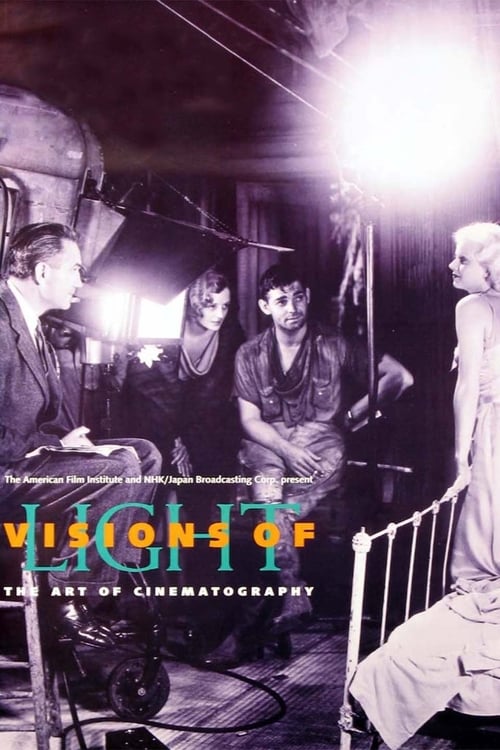
Visions of Light
1992
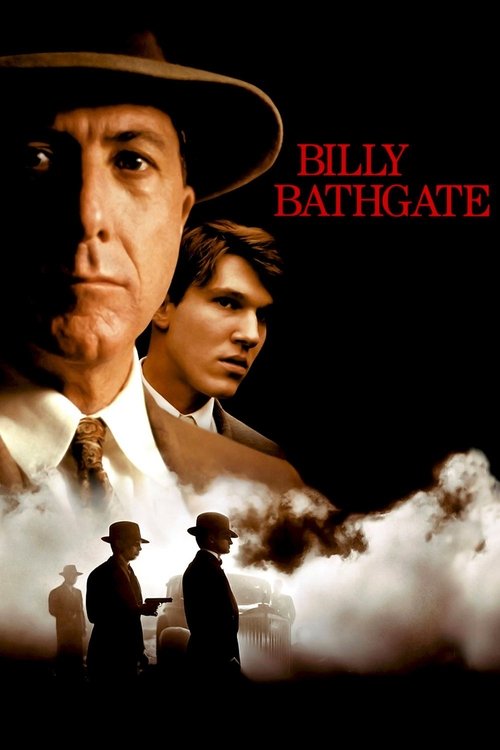
Billy Bathgate
1991
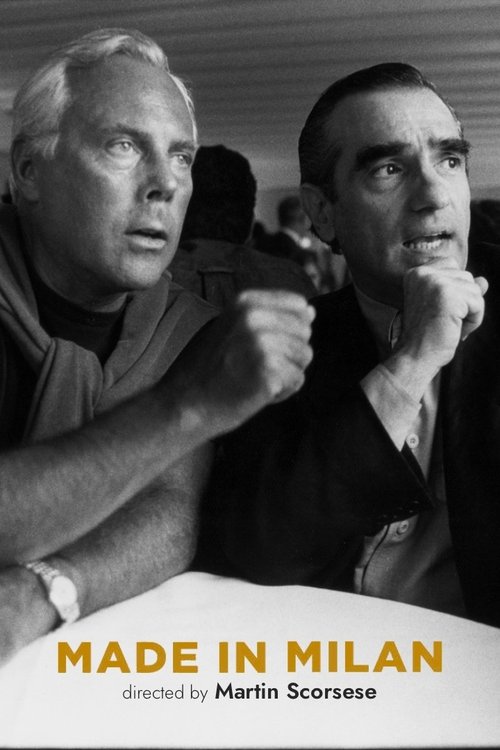
Made in Milan
1990

New York Stories
1989
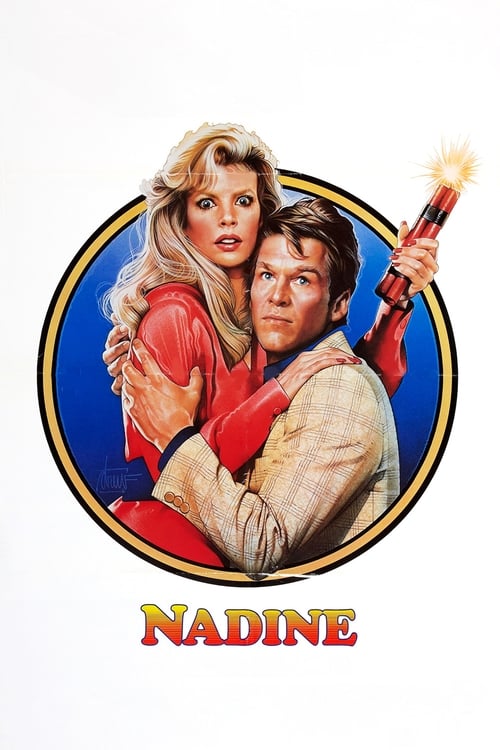
Nadine
1987
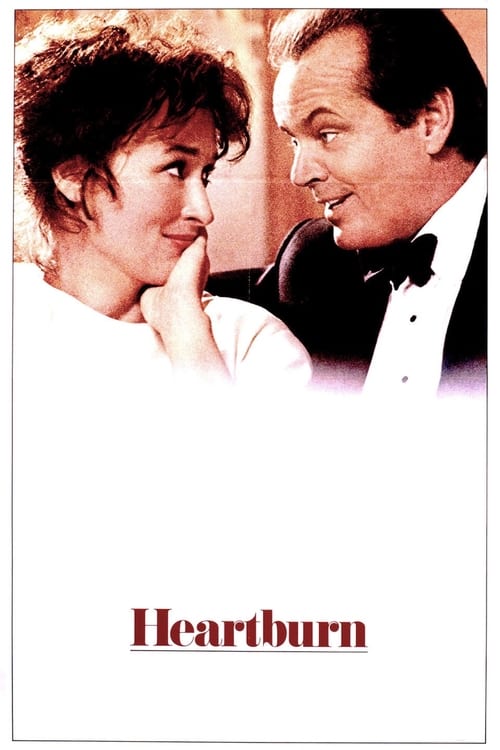
Heartburn
1986
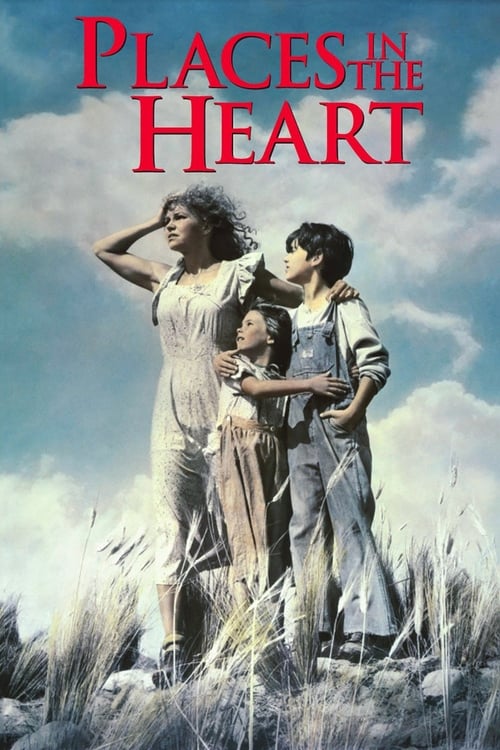
Places in the Heart
1984
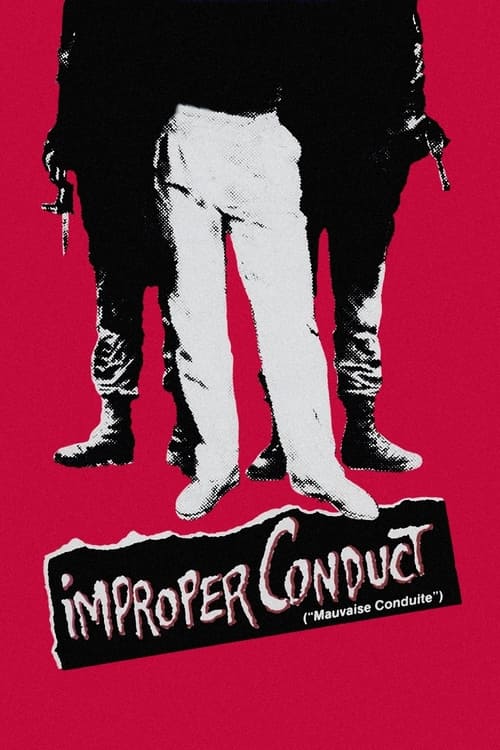
Improper Conduct
1984

Confidentially Yours
1983
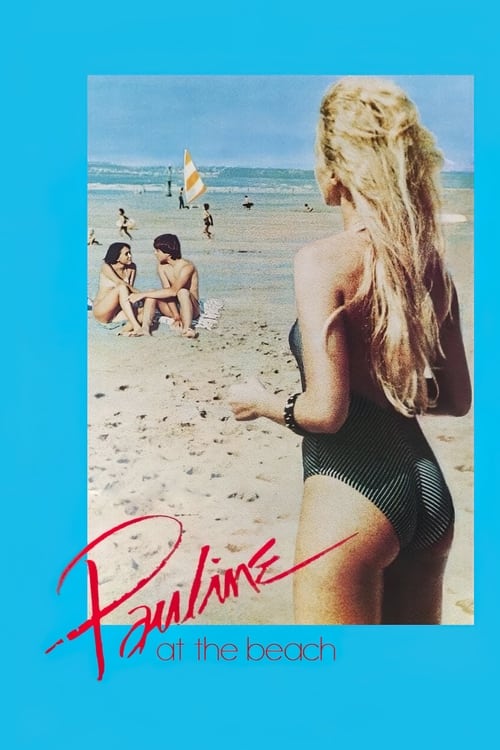
Pauline at the Beach
1983
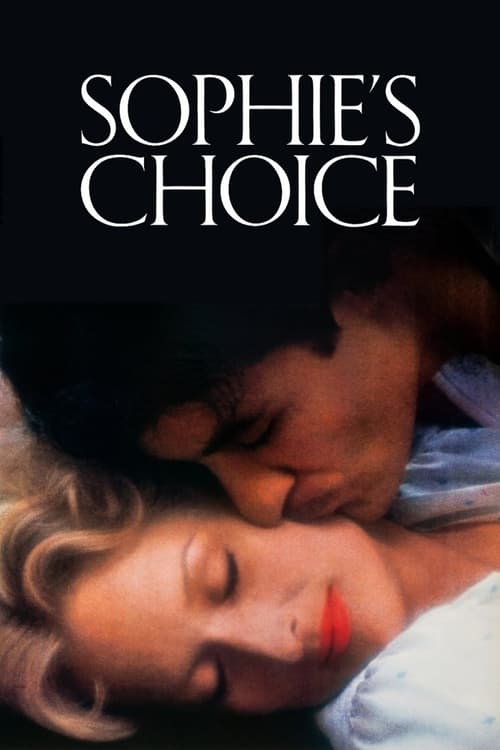
Sophie's Choice
1982

Still of the Night
1982
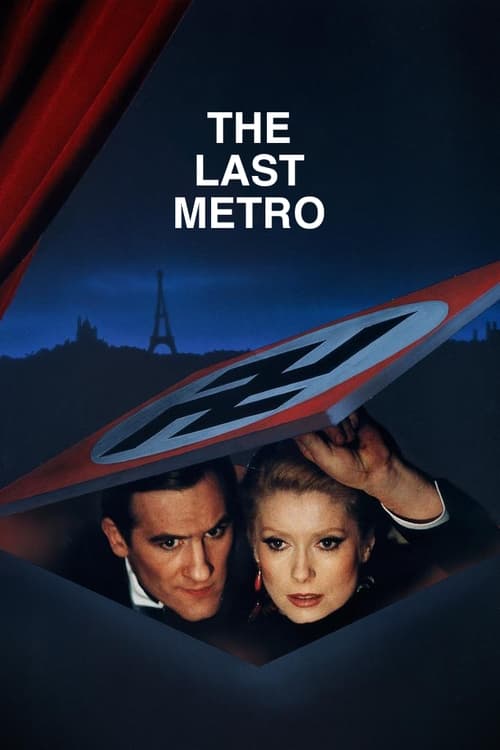
The Last Metro
1980
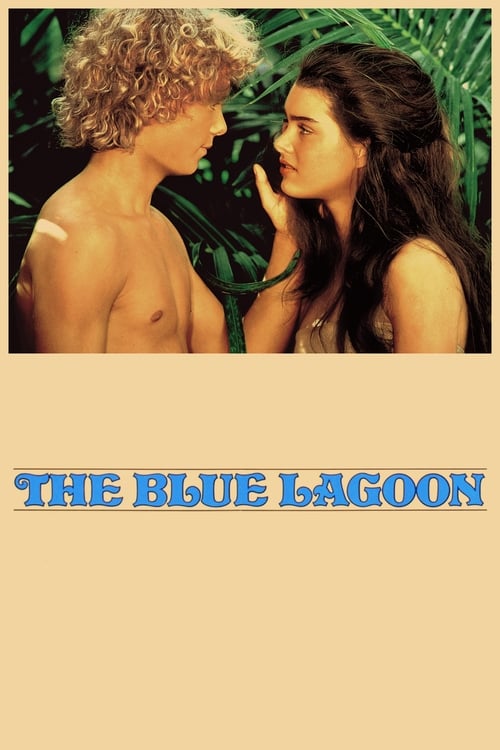
The Blue Lagoon
1980
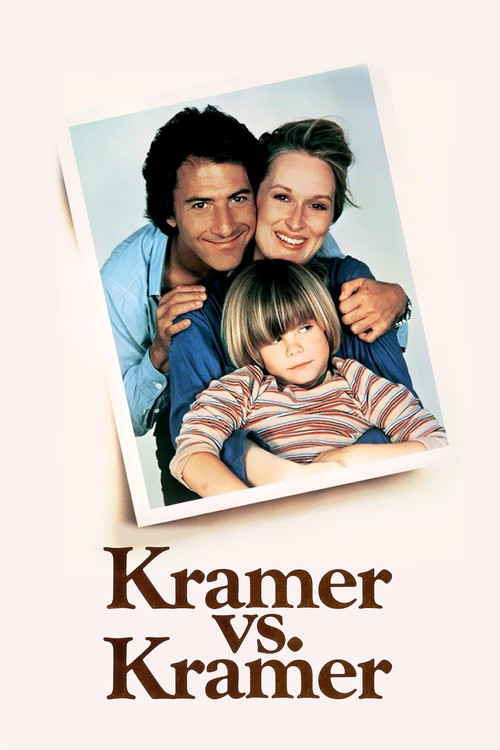
Kramer vs. Kramer
1979
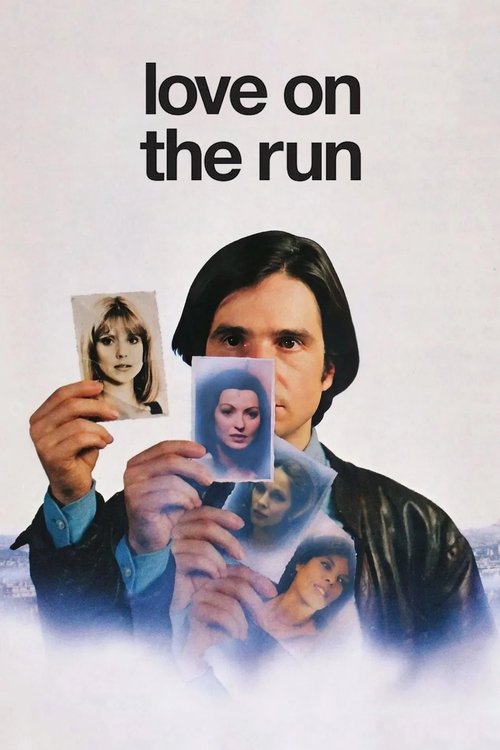
Love on the Run
1979
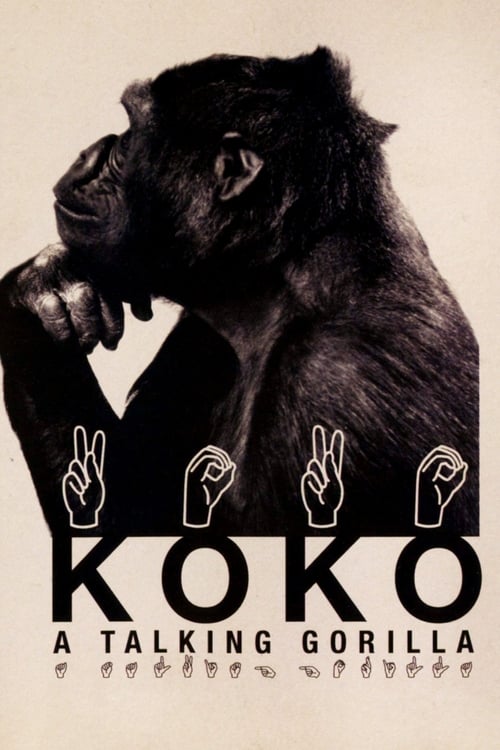
Koko: A Talking Gorilla
1978

Perceval
1978
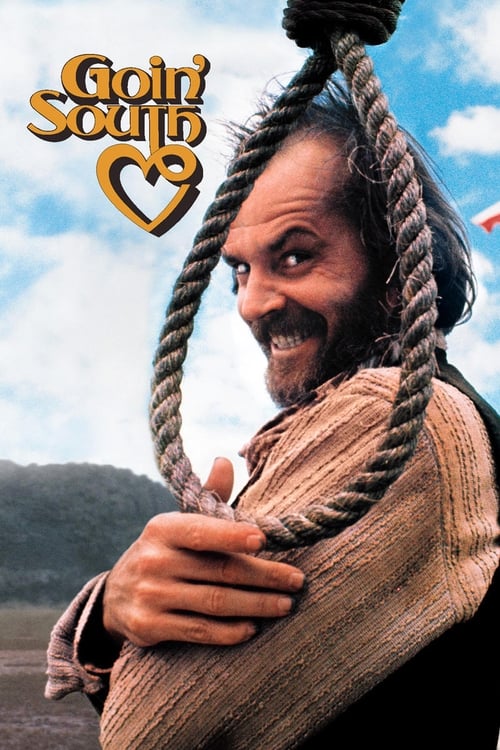
Goin' South
1978
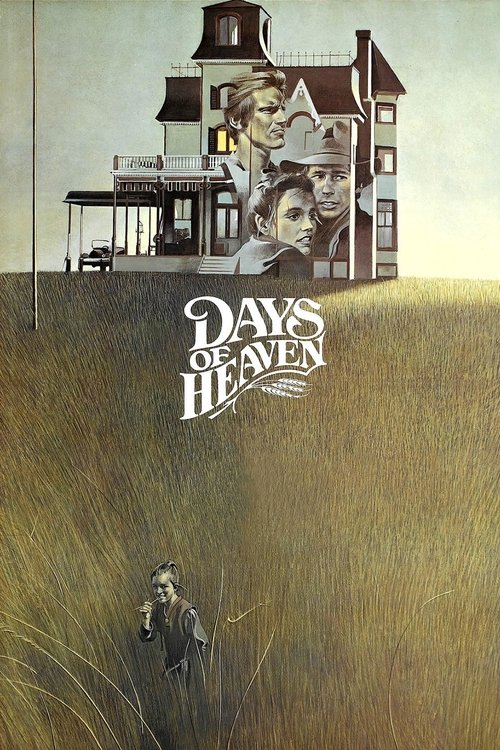
Days of Heaven
1978

The Green Room
1978
Madame Rosa
1977

The Man Who Loved Women
1977

Change of Sex
1977
Entire Days in the Trees
1977
The Marquise of O
1976
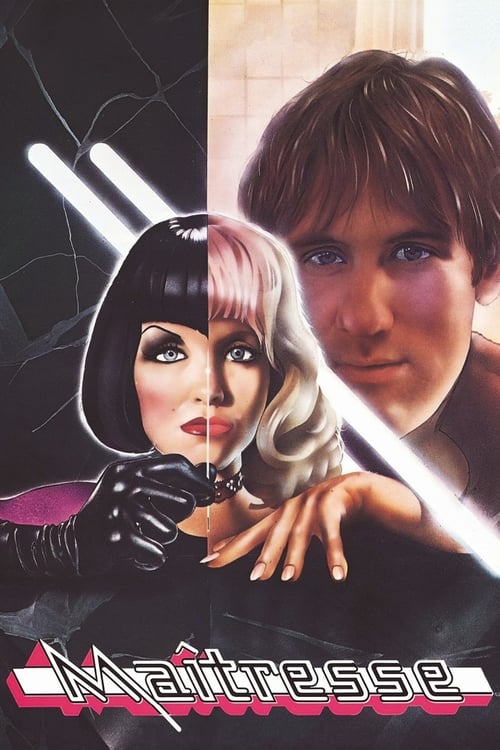
Maîtresse
1976
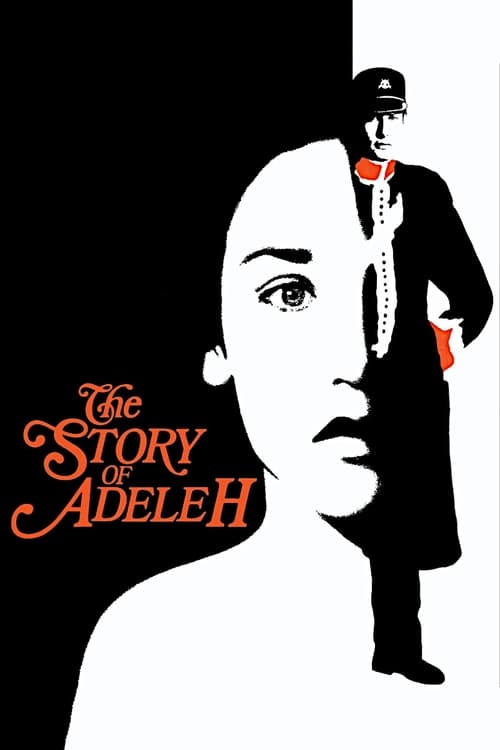
The Story of Adèle H.
1975
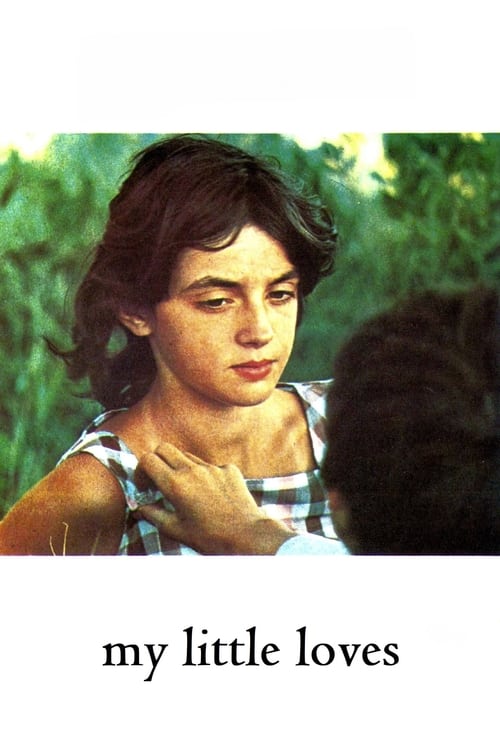
My Little Loves
1974
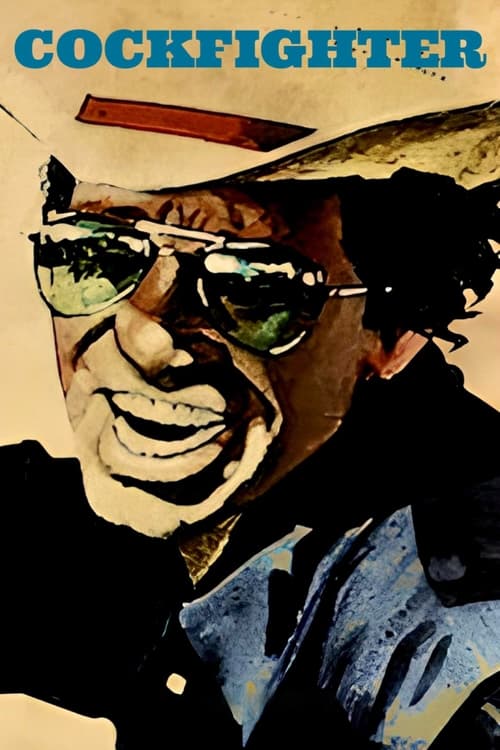
Cockfighter
1974

General Idi Amin Dada
1974
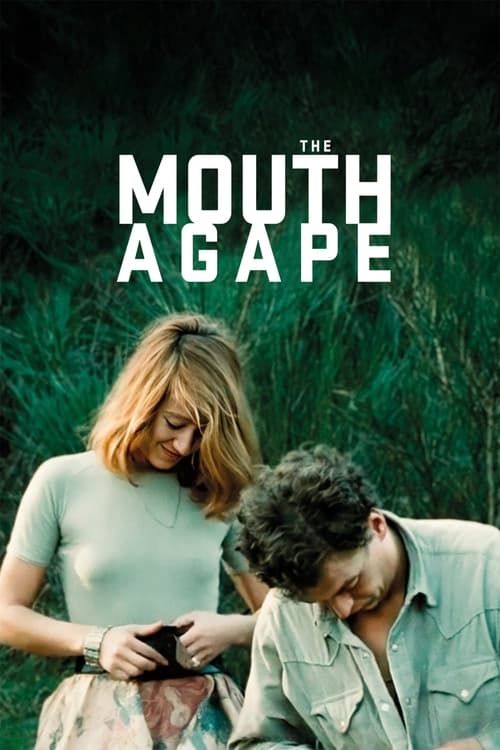
The Mouth Agape
1974
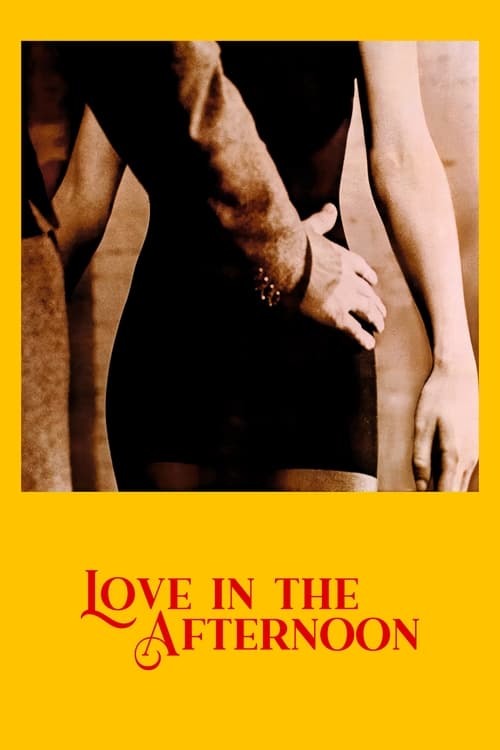
Love in the Afternoon
1972

The Valley
1972
Le Grand Échiquier
1972
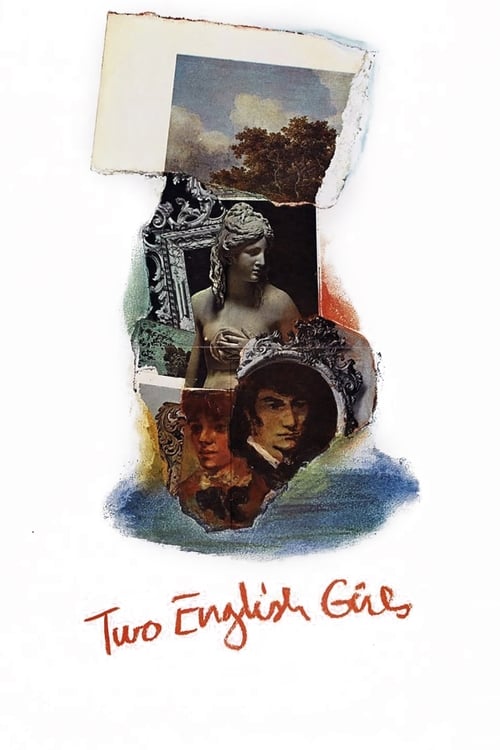
Two English Girls
1971
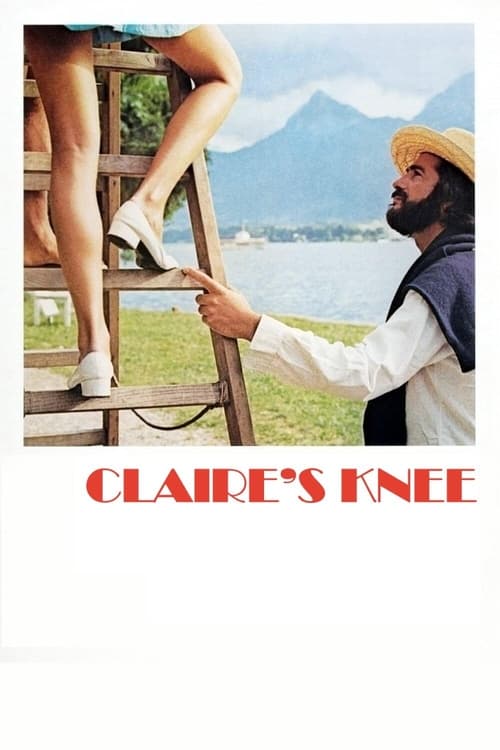
Claire's Knee
1970

Bed and Board
1970
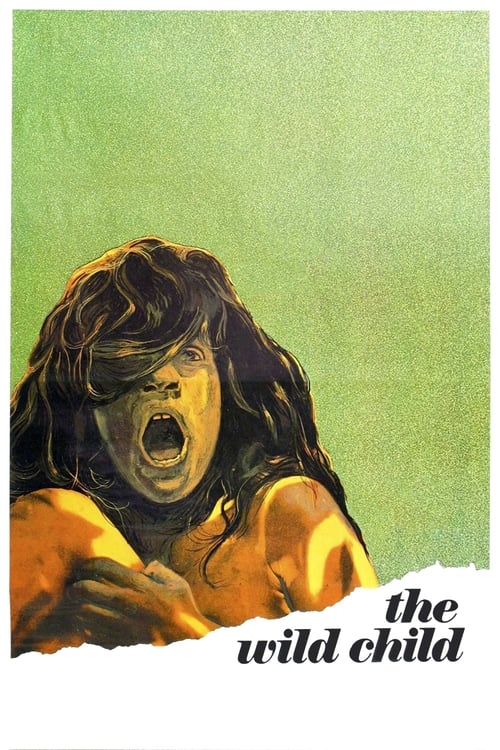
The Wild Child
1970
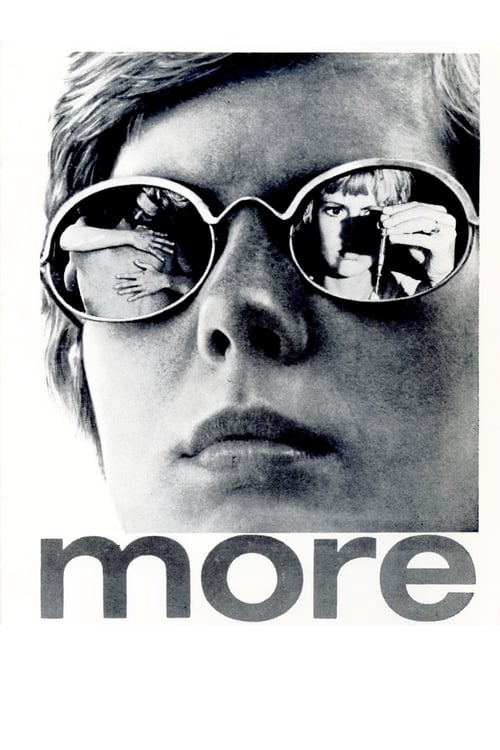
More
1969
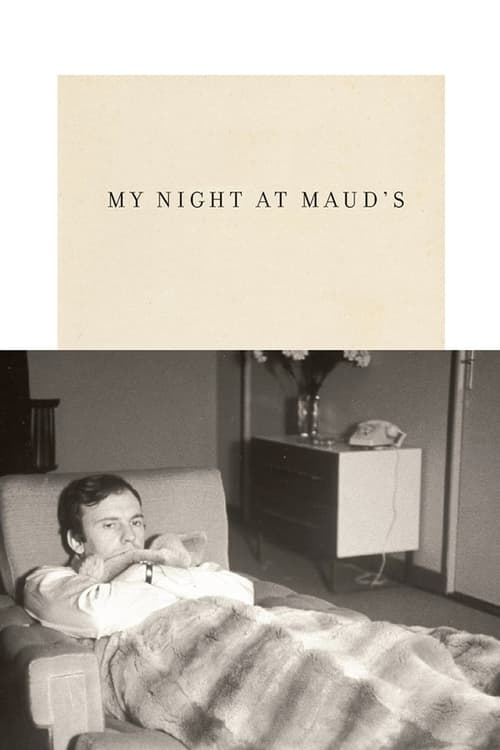
My Night at Maud's
1969
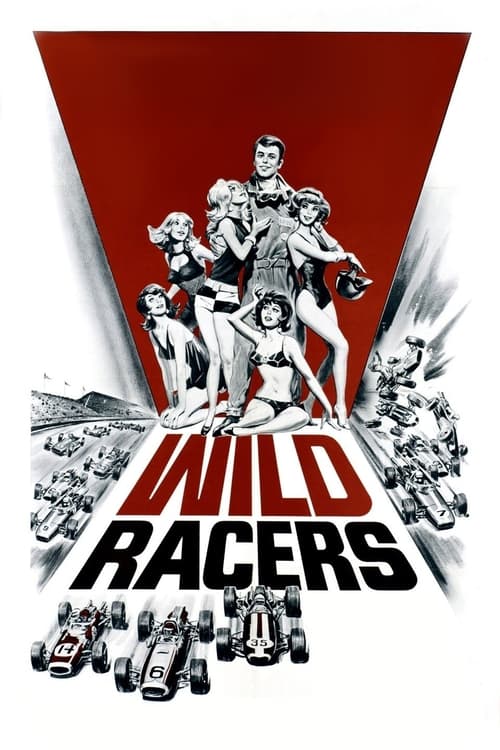
The Wild Racers
1968
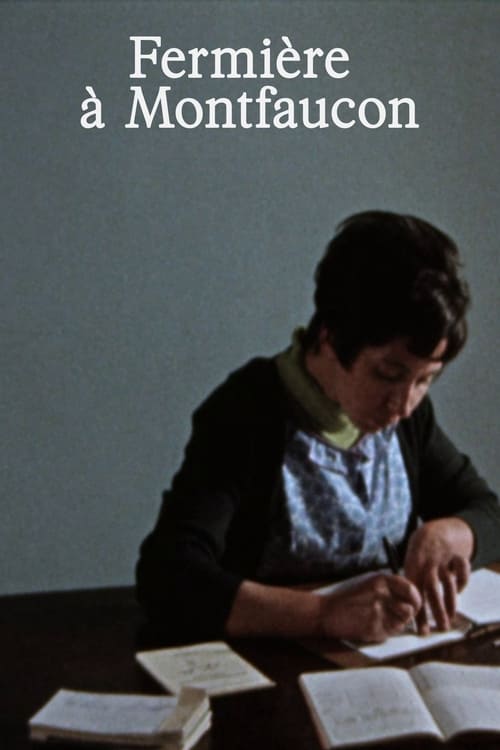
A Farmer in Montfaucon
1968
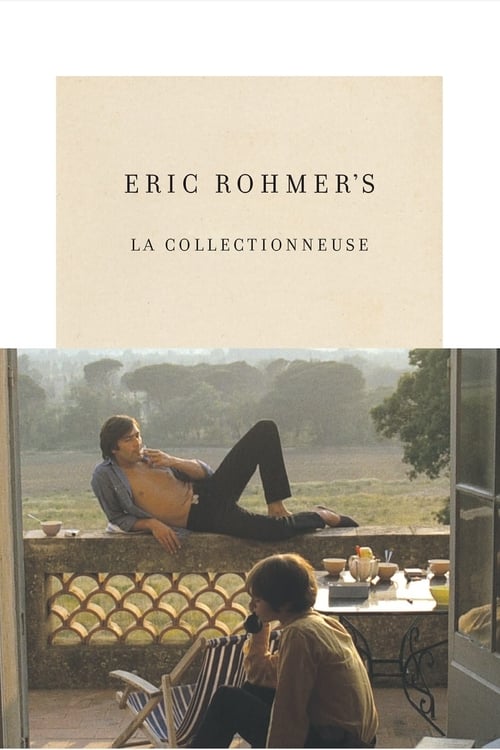
La Collectionneuse
1967
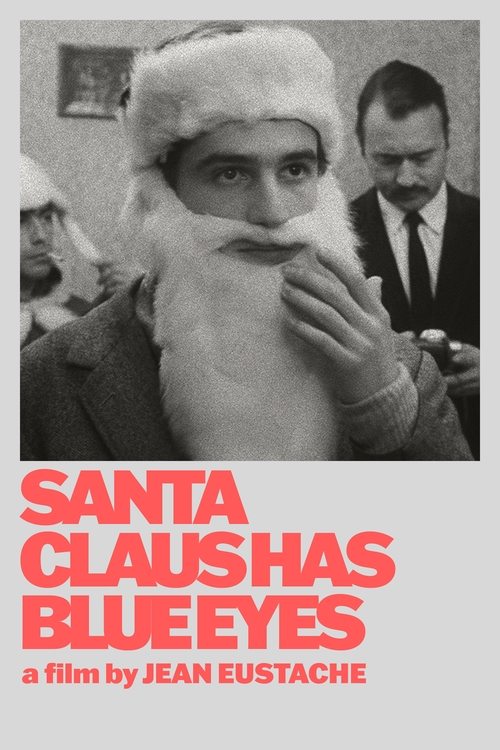
Santa Claus Has Blue Eyes
1966
A Modern Coed
1966
Six in Paris
1965
Nadja in Paris
1964